|
|
Kells High Crosses, Co. Meath
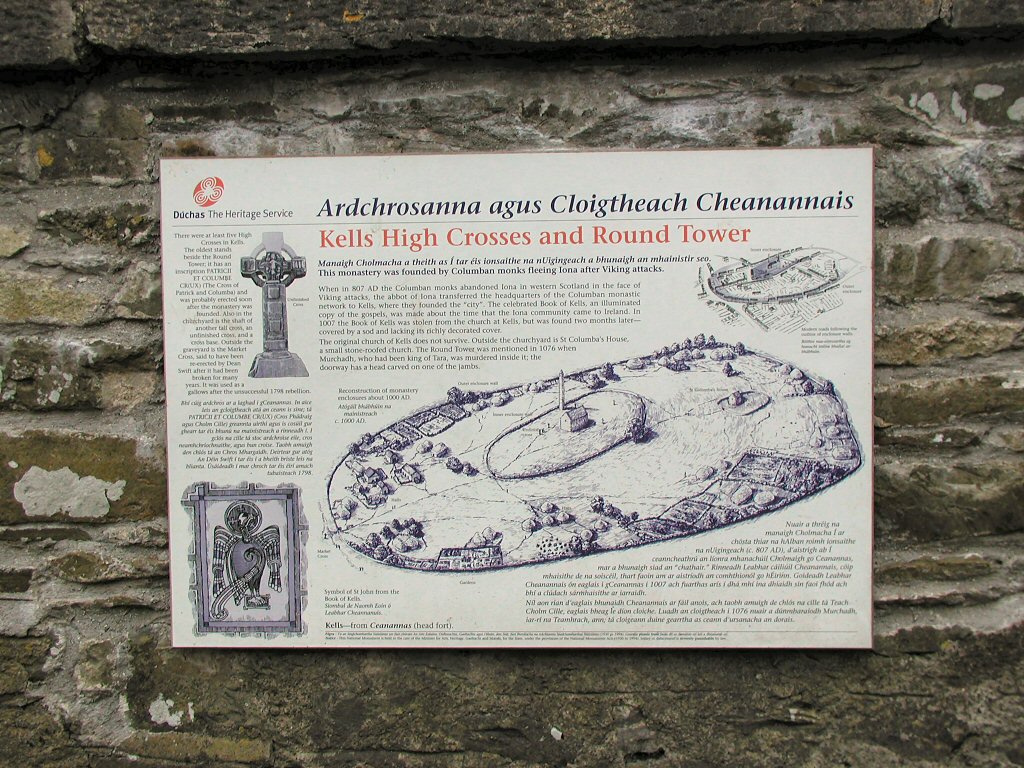
Location: On R 163 in the center of Kells town, just west of the intersection of N3 and N52 is St. Columba's
Church of Ireland whose cemetery contains the round tower, several high crosses and nearby, an ancient oratory said to
be the house of St. Columcille. The town of Kells is situated on the N3, 60km northwest of Dublin in the historic Boyne
Valley.
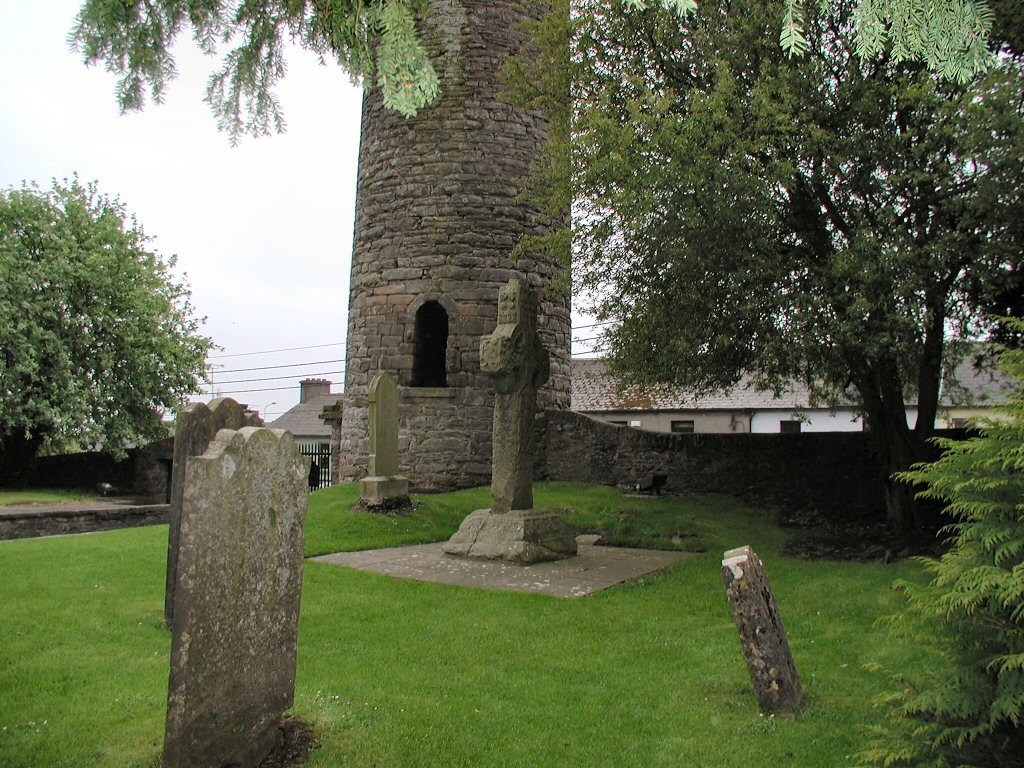
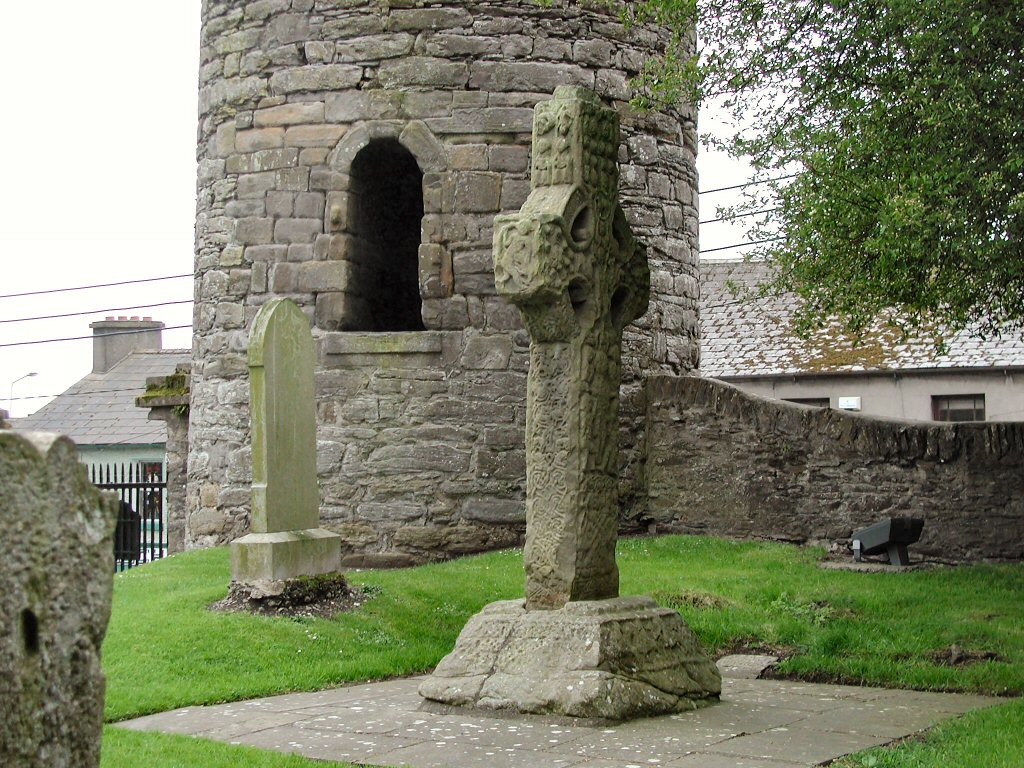
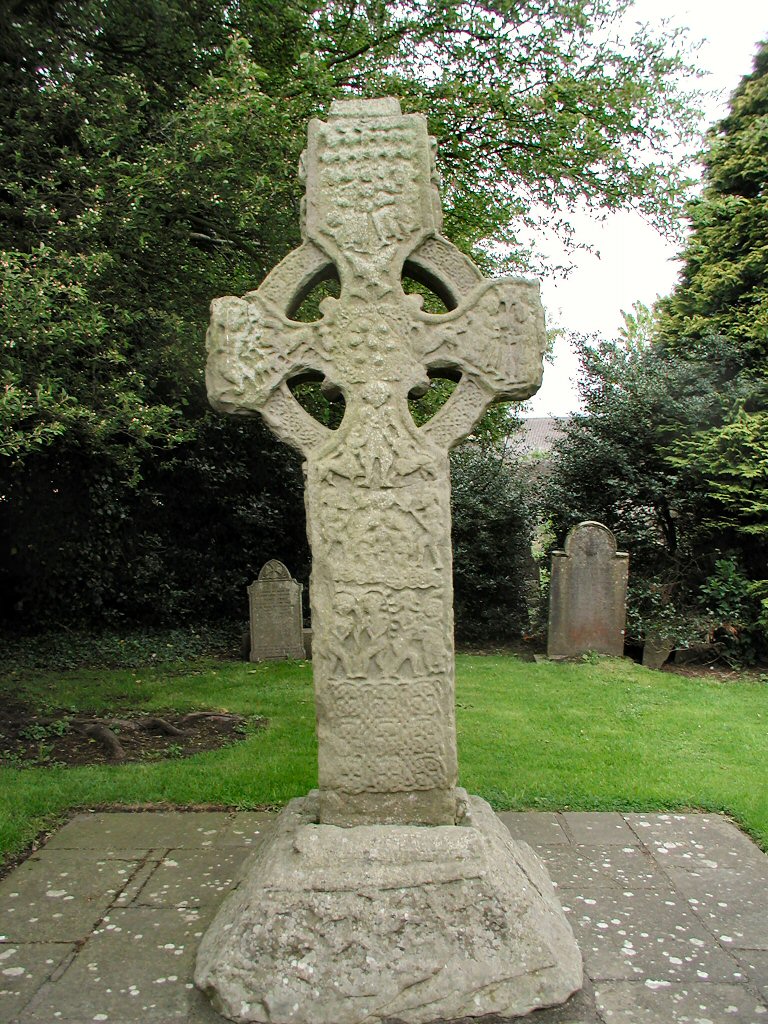
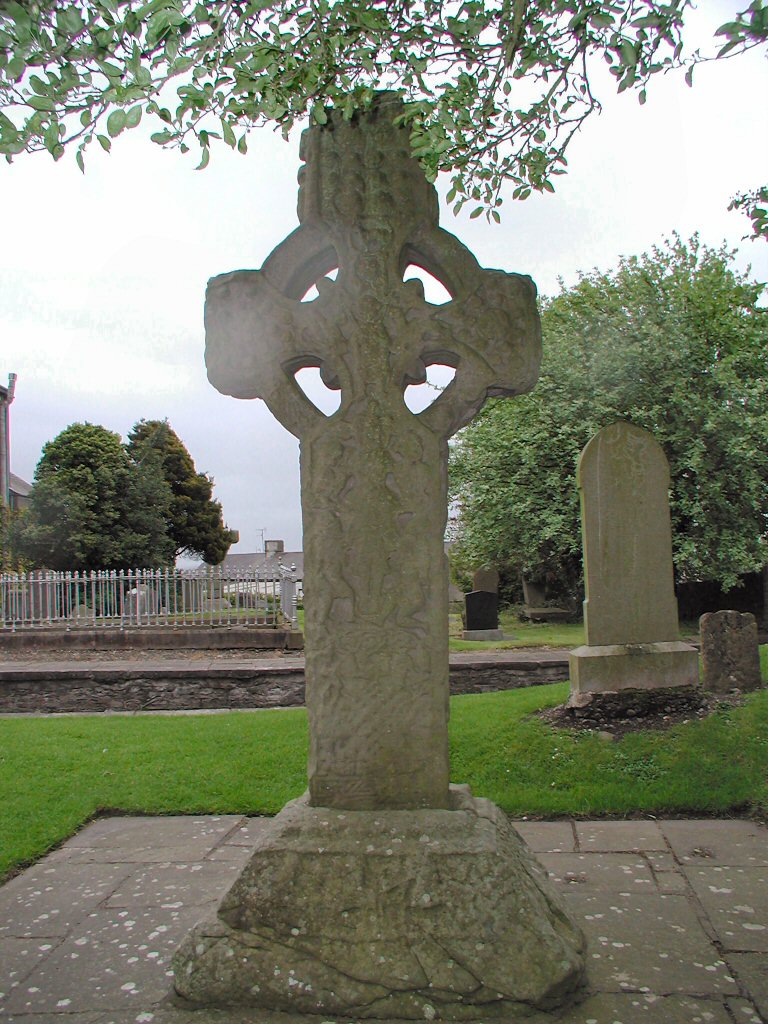
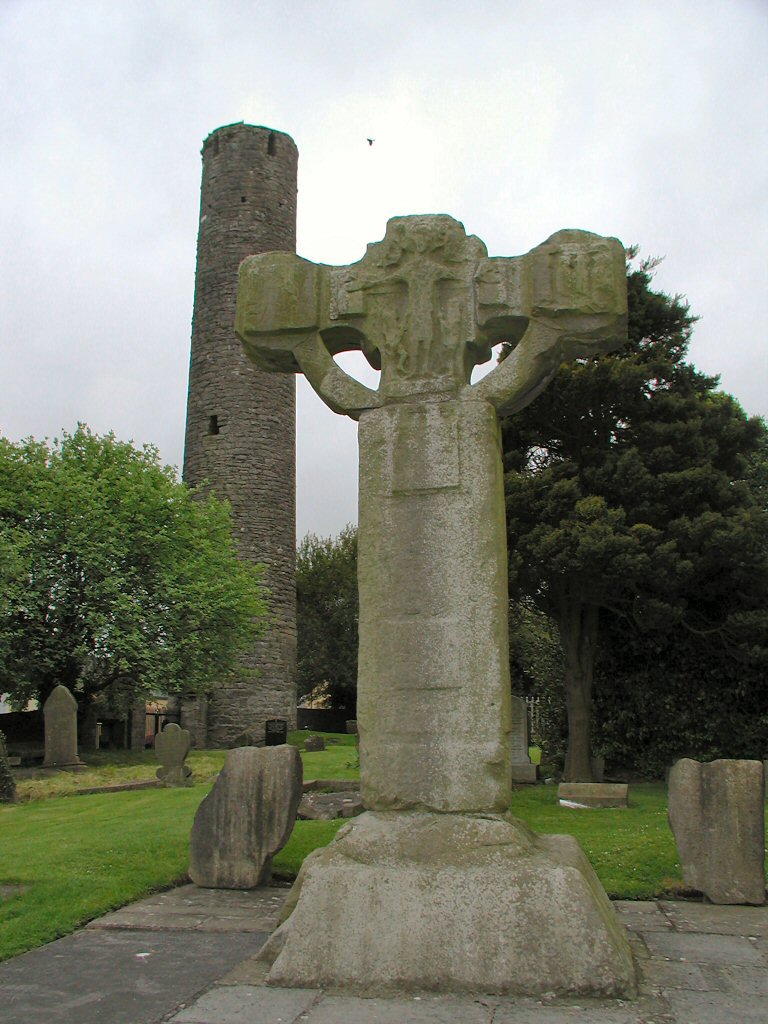
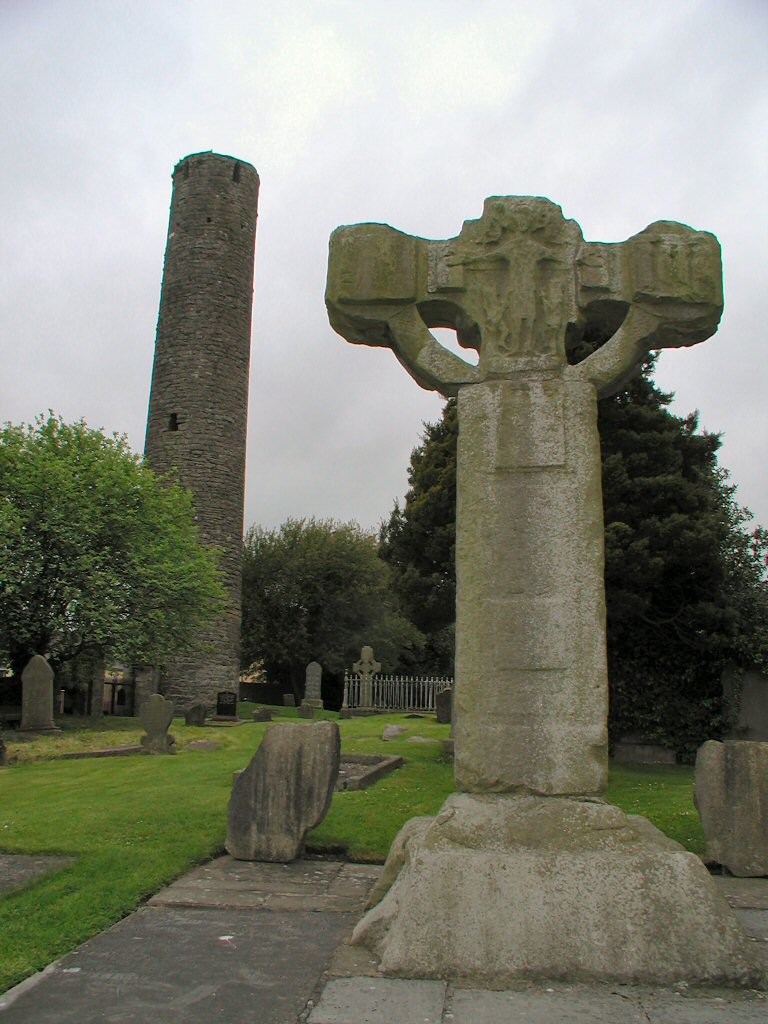
Dimensions: The South Cross, closest to the roundtower seems to be the earliest of the Kells crosses, dating
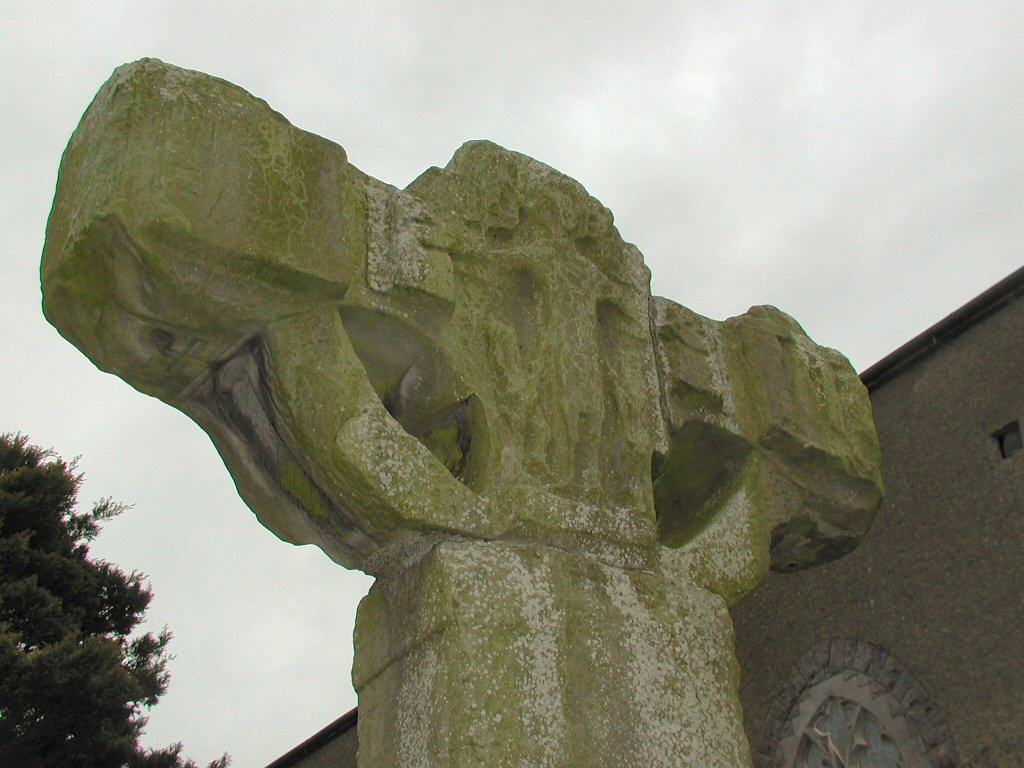
to the very earliest 9th century. Standing 3.3 meters high, it is carved from a single block of sandstone. There is
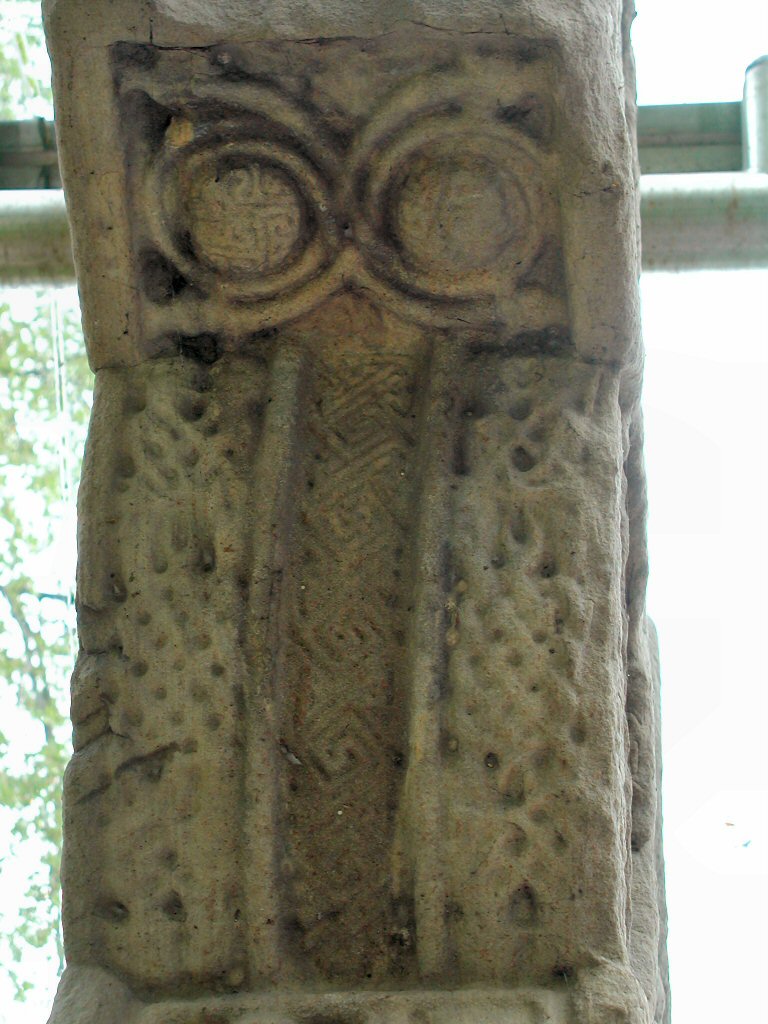
no capstone but a tenon for it remains. The cross is covered in figure carving and ornamentation. An inscription
on the base (upper part of the east face) reads: PATRICII ET COLUMBE CR (cross of patrick and Columba - this inscription
has weathered to be presently unreadable). Virtually all of the figure carving has some biblical reference and is
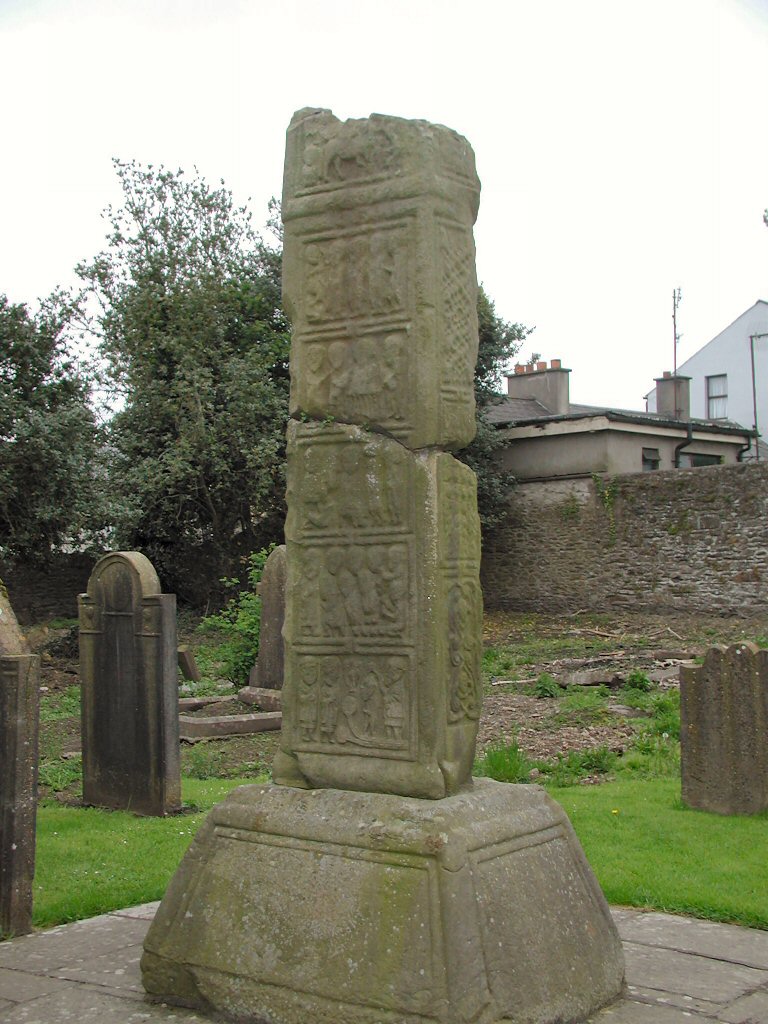
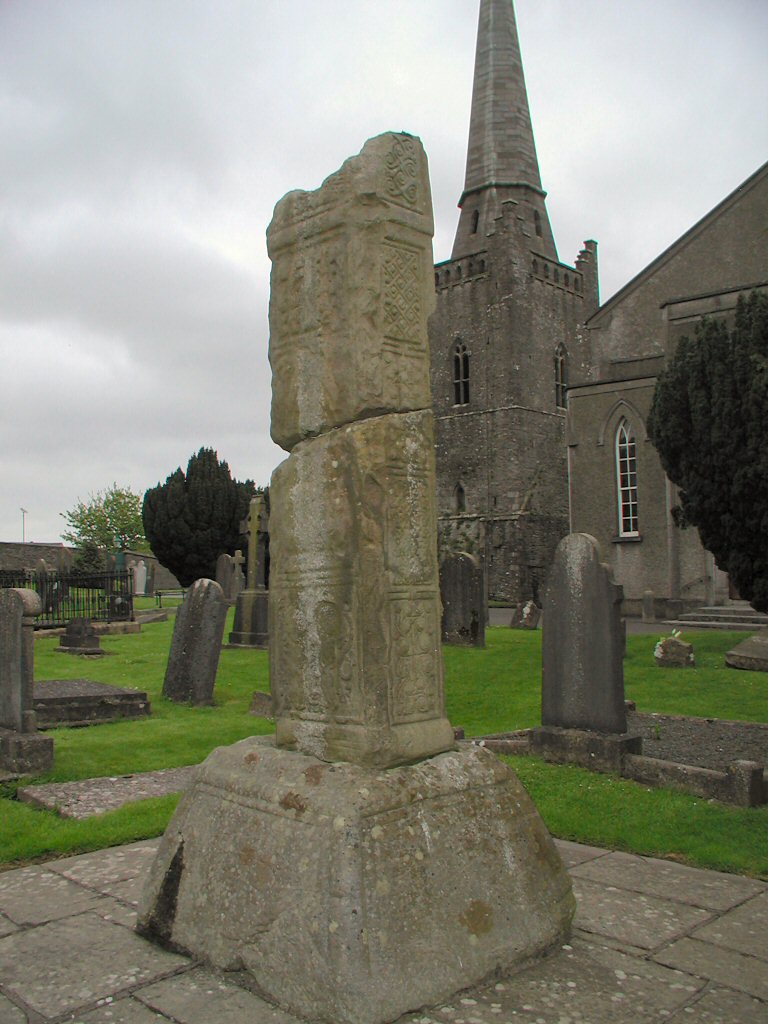
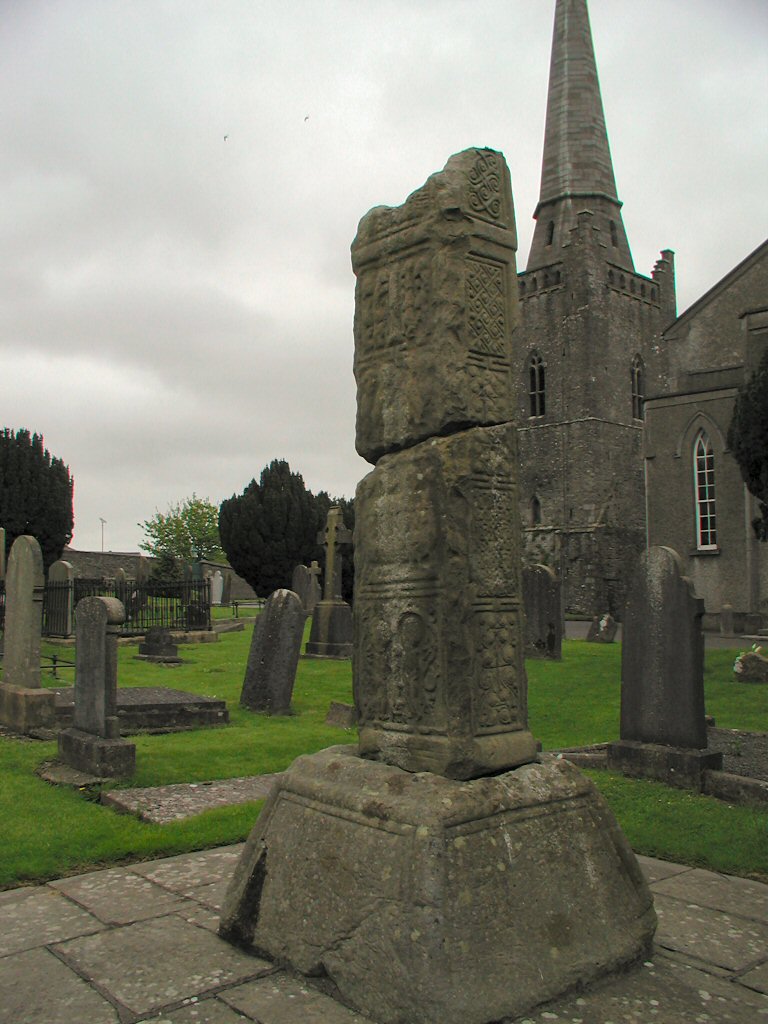
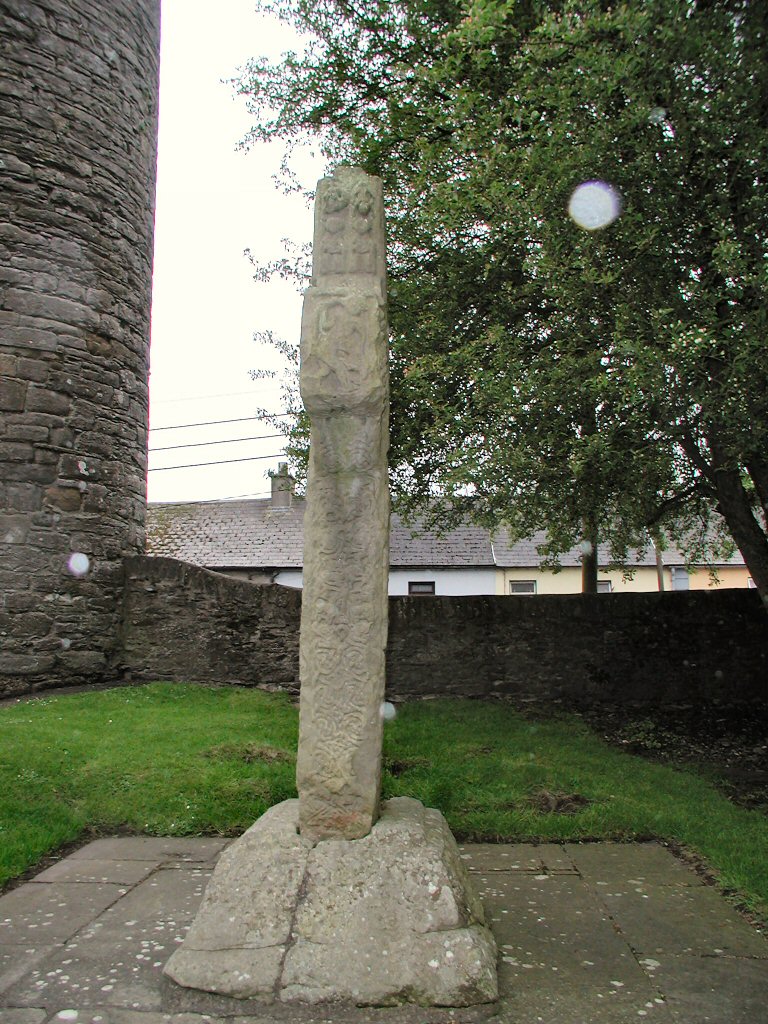
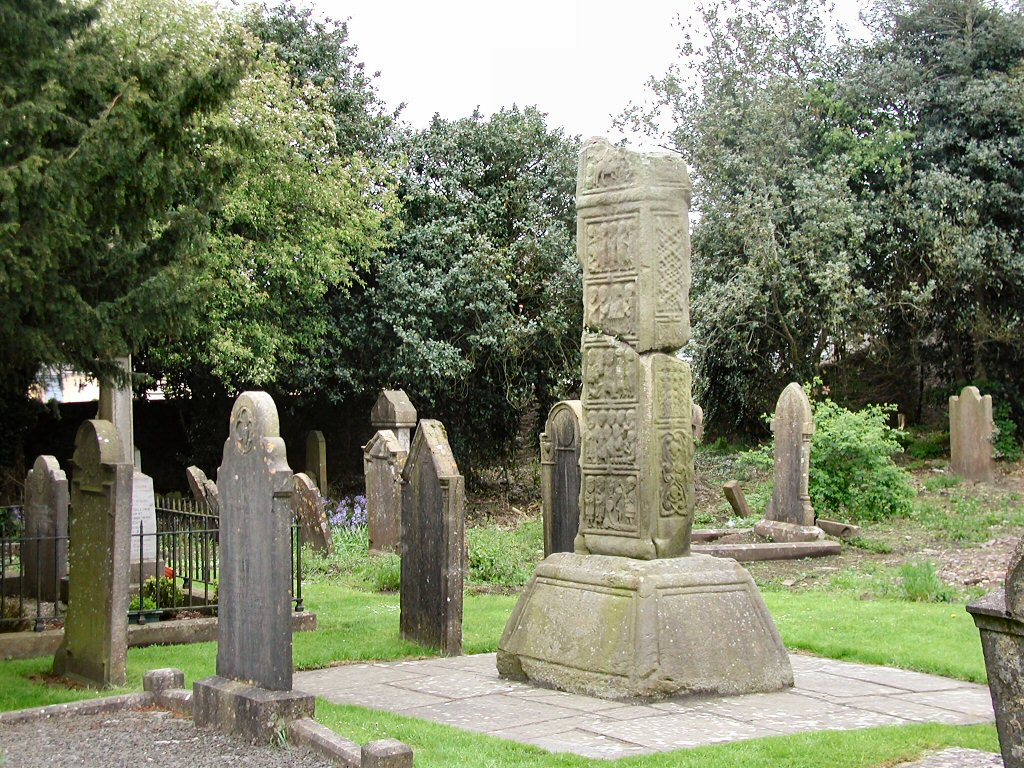
interspersed in panels with a variety of interlace patterns. The West Cross or the Broken Cross, is also composed
of sandstone and although only the shaft remains, it
stands 3.5 meters high and is again rich with carving on all four sides. The east face centers around events in Christ's life
while the west face depicts early scenes from the bible. The north and south (narrow) faces feature ornamental designs.
The Unfinished Cross, towers approximately 4.75 meters high over the surrounding graveyard on the north side of
the present church. It has been blocked out for carving, but little more work was done to the massive cross beyond a
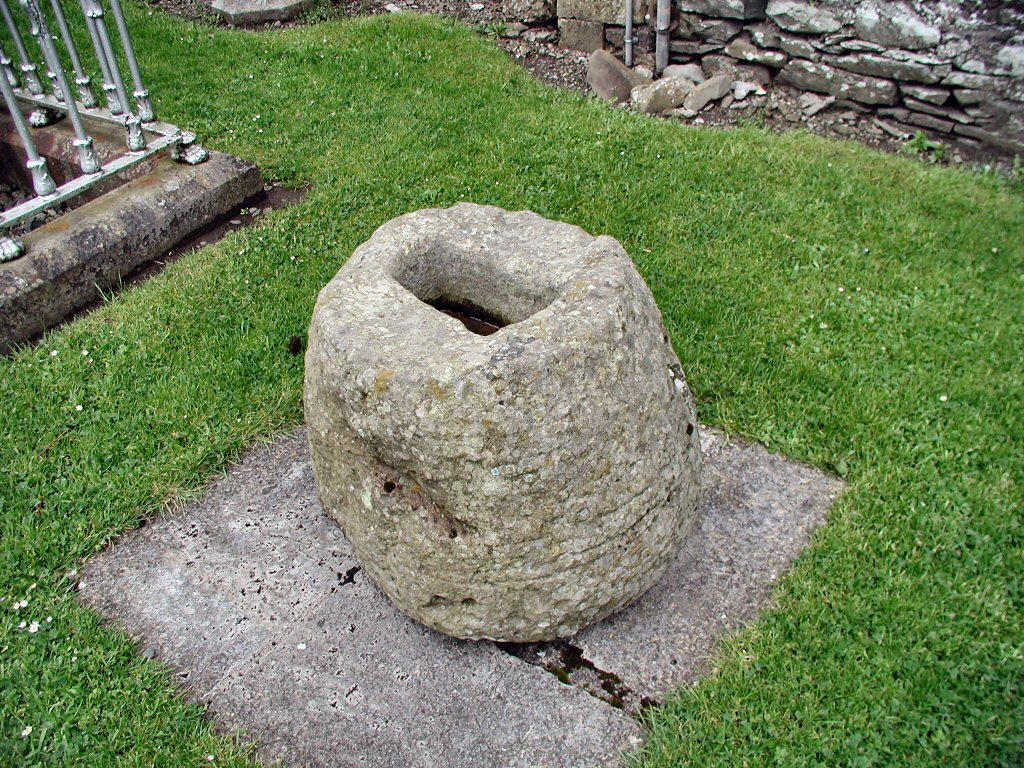
crucifixion scene on it's east face. Only the lower part of the ring survives. The base of still another high cross
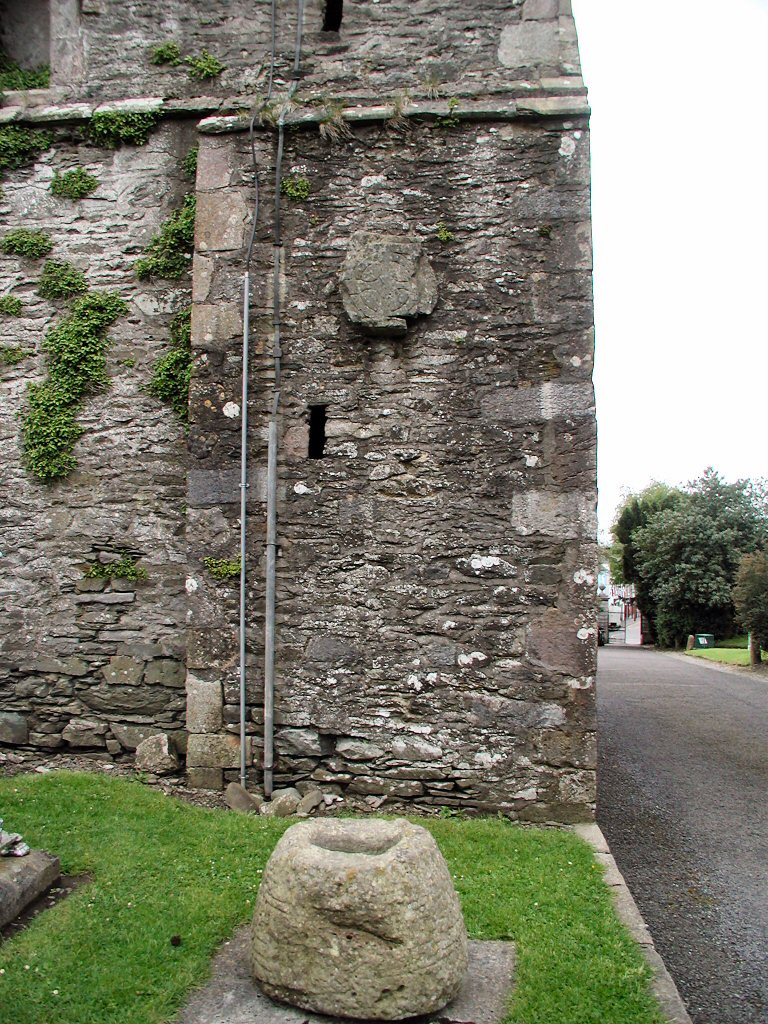
can be found behind the medieval tower. The
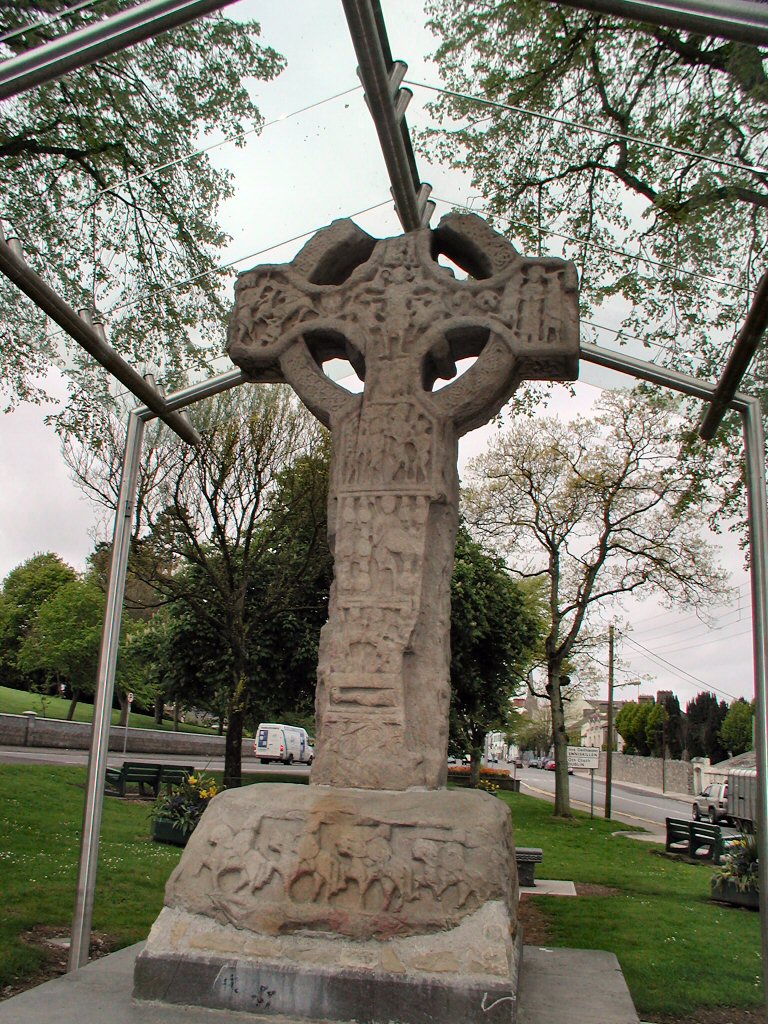
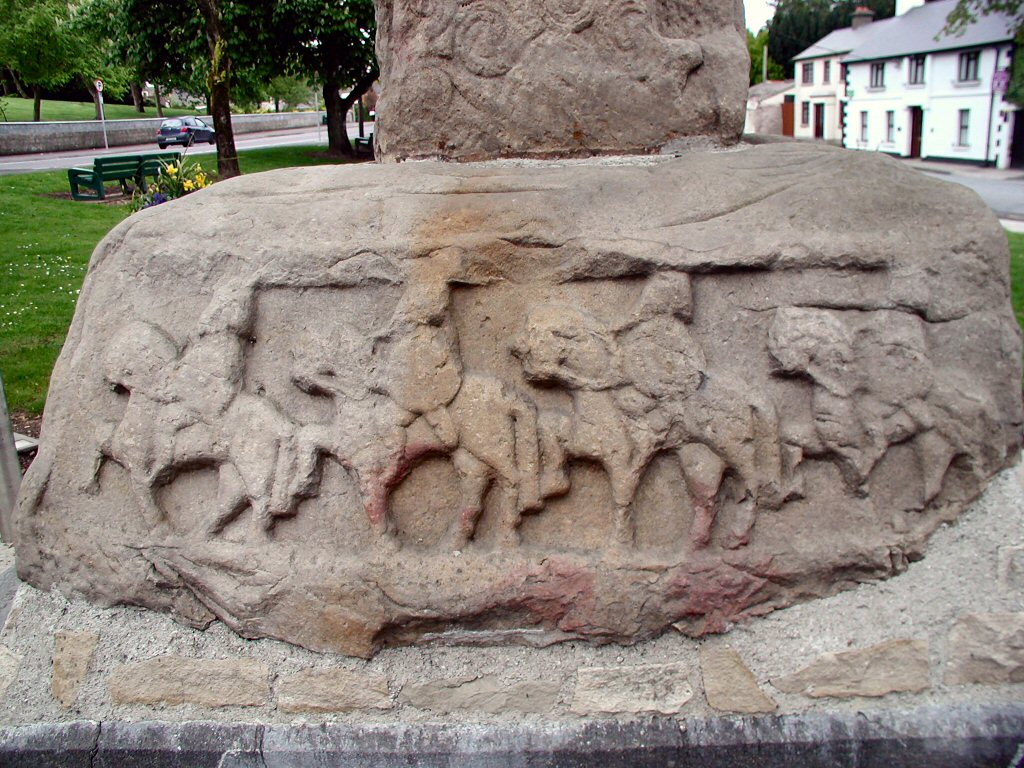
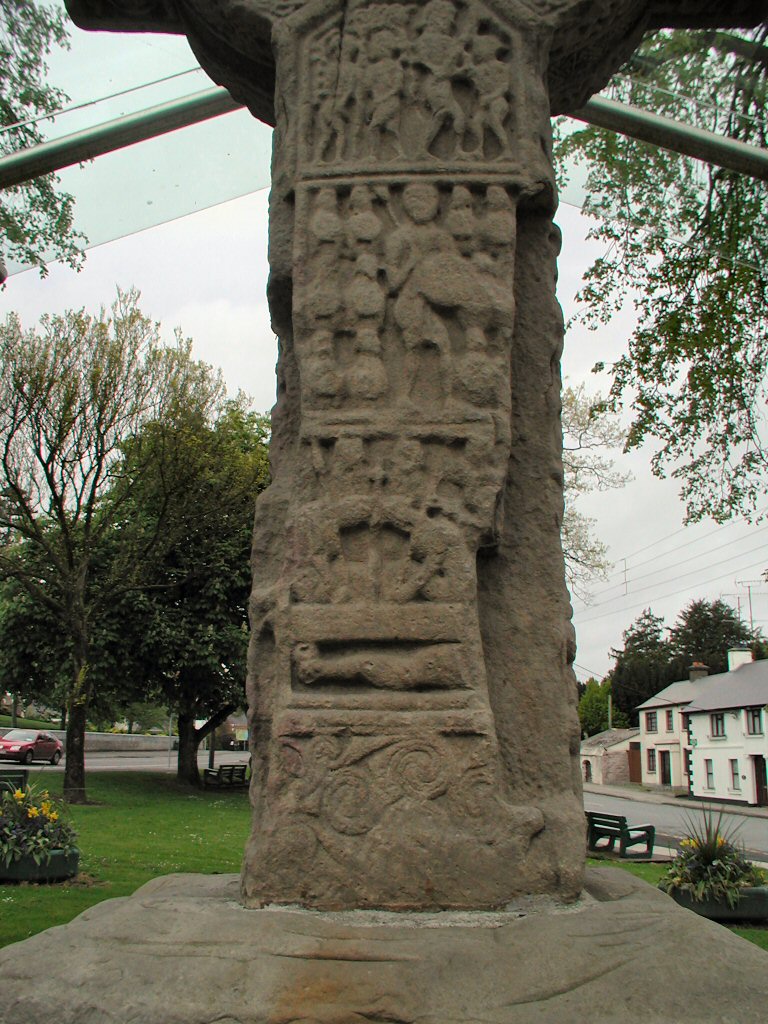
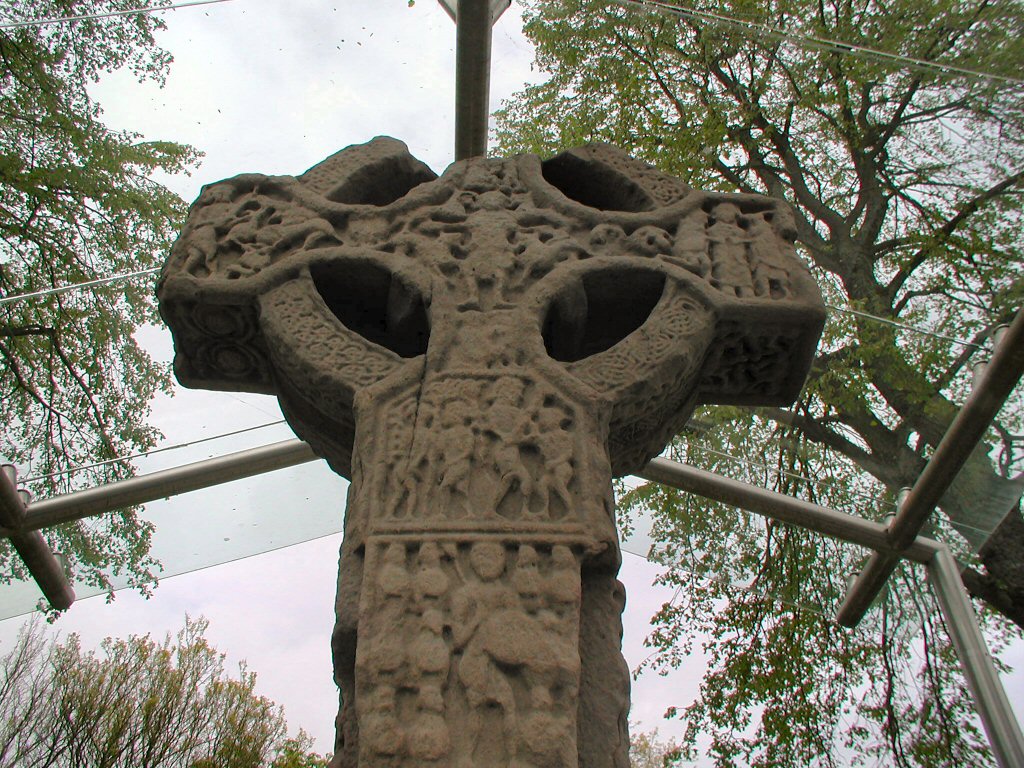
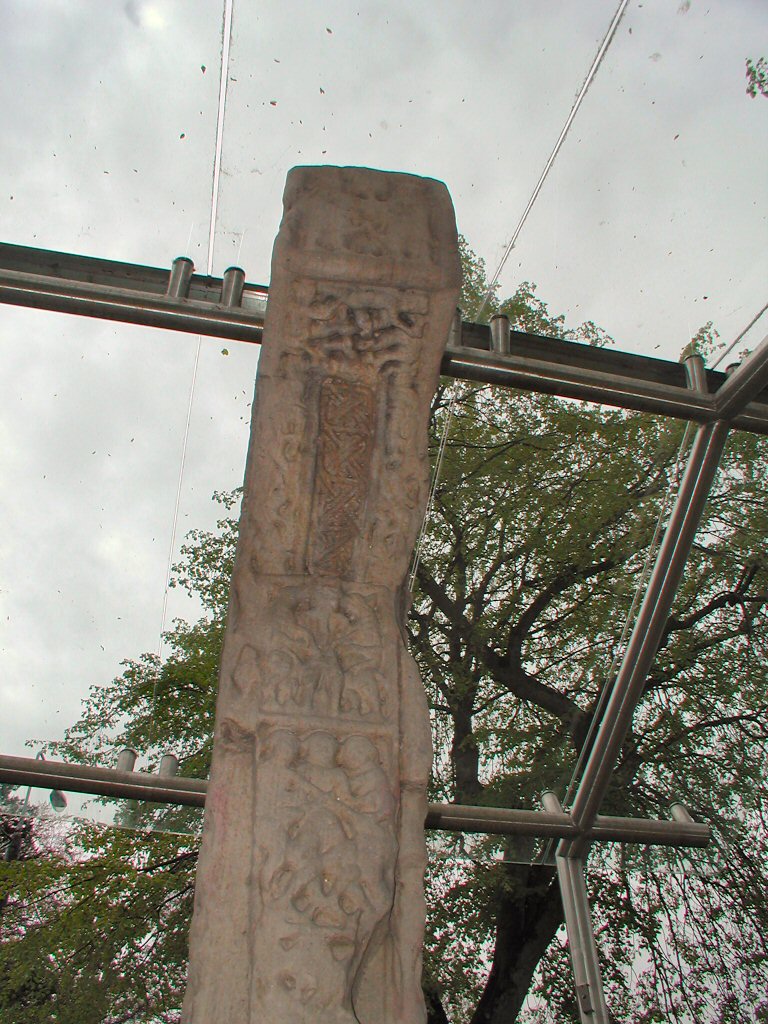
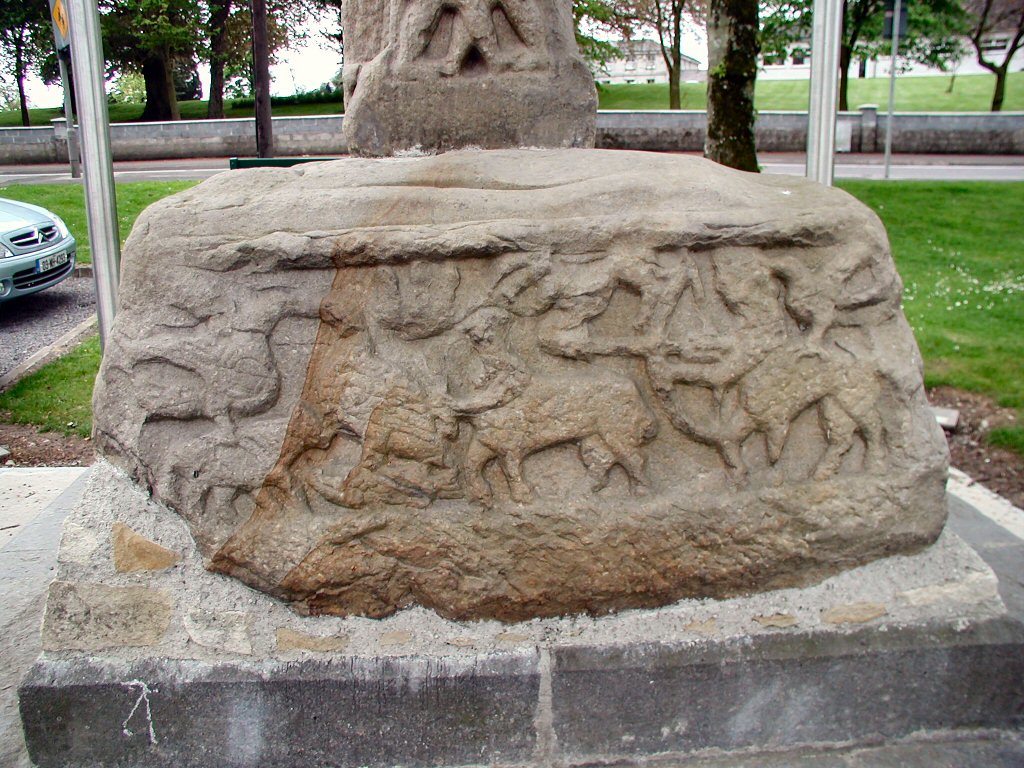
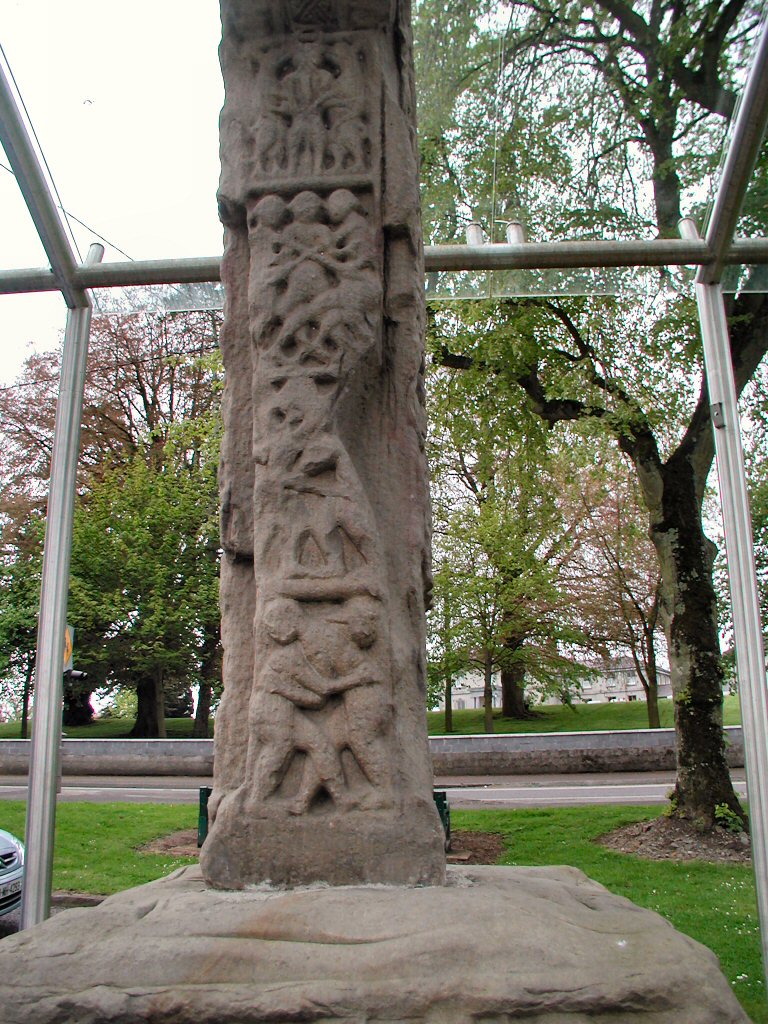
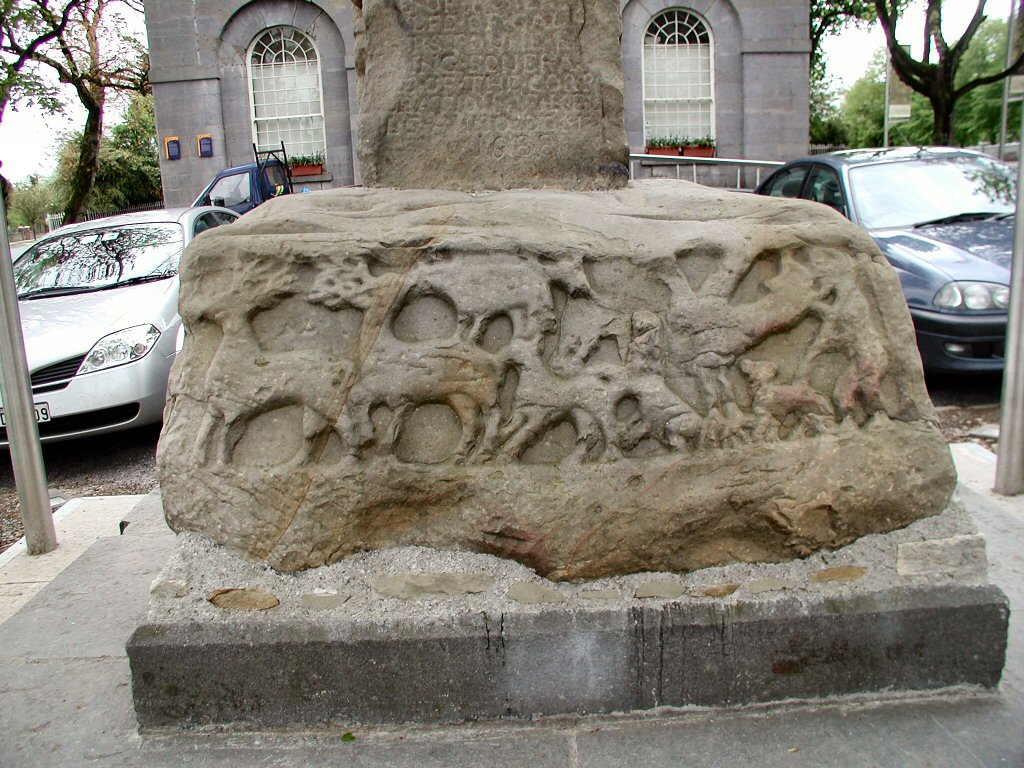
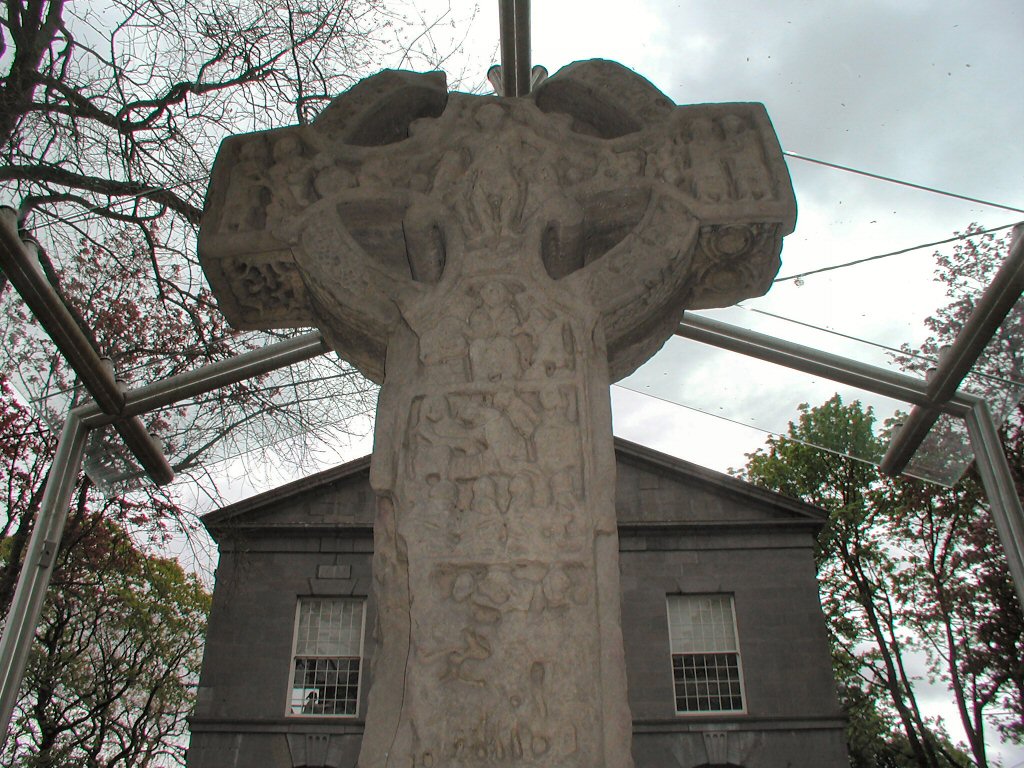
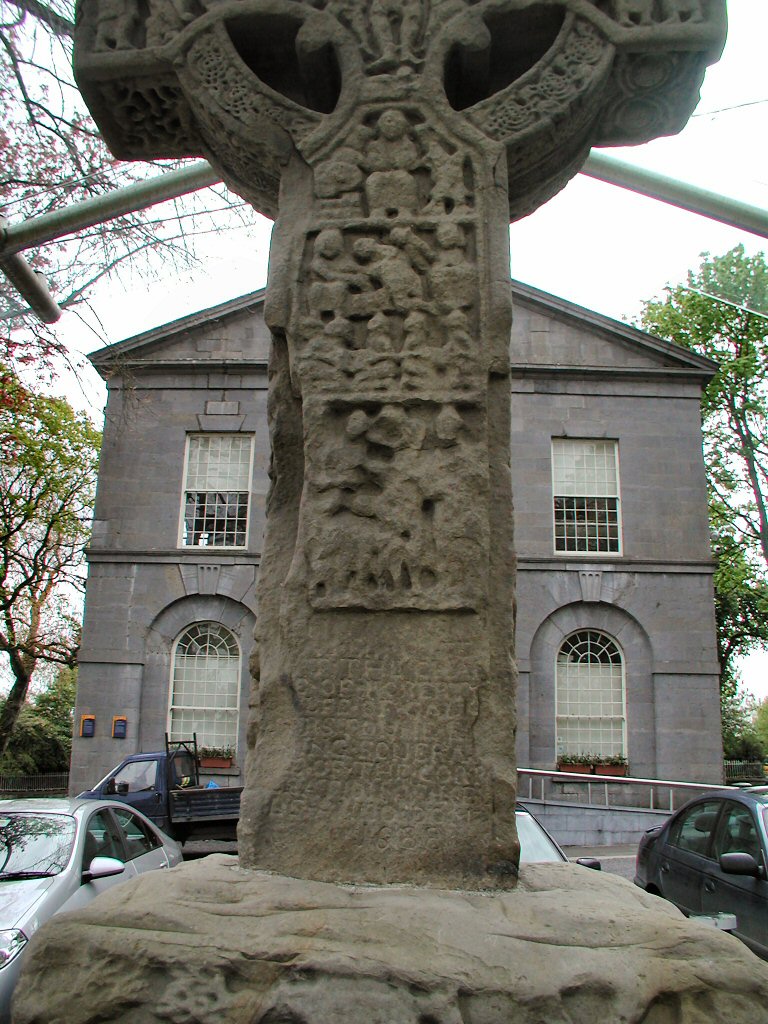
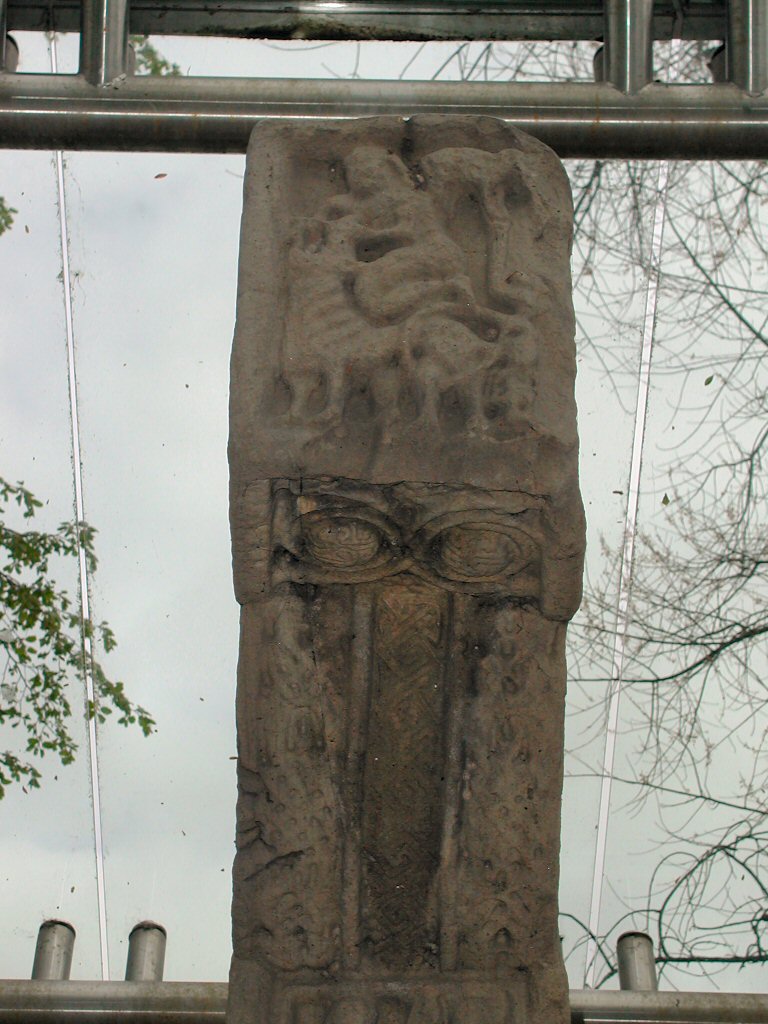
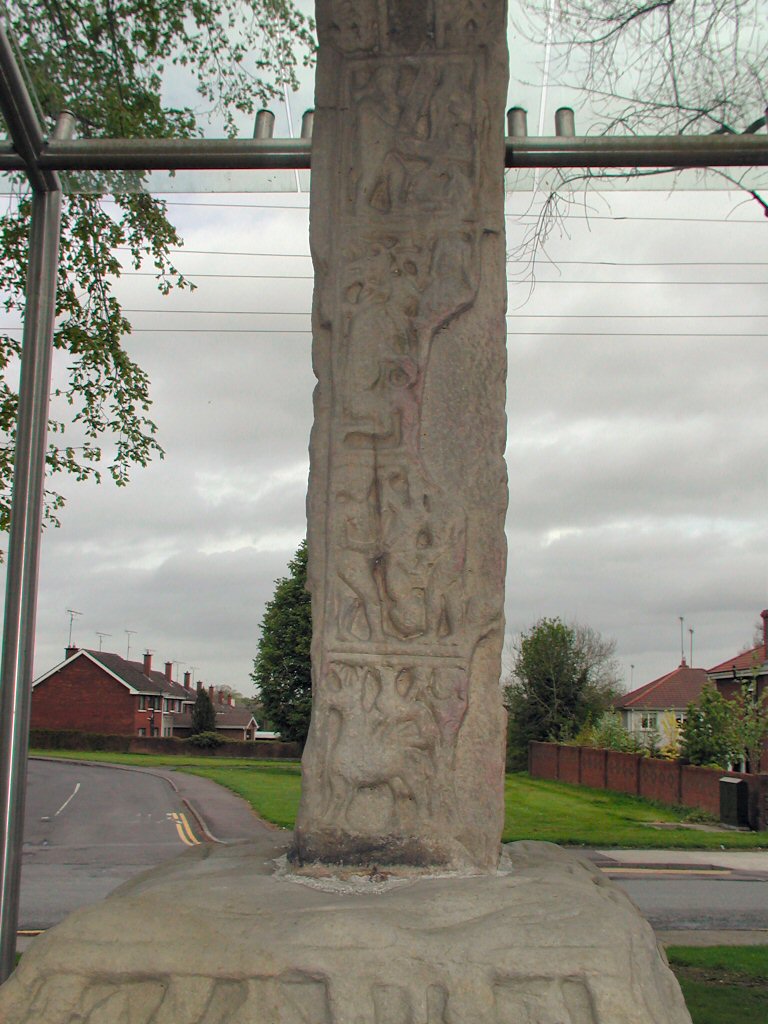
Market Cross can be found relocated in front of the Heritage Center a few blocks west of the church property.
Composed of sandstone like the other Kells
crosses, it stands 3.35 meters high and is richly carved with biblical scenes. Despite conservation and repair the
carvings are badly worn.
Comments:The Book of Kells, an illuminated Latin Gospel Book was completed here during the thriving years
of the monastic community. The actual Book resides at Trinity College in Dublin, but a beautiful replica can be viewed
in the museum in the Heritage Center. The town of Kells has placed historical plaques with information about the
buildings they mark throughout the town.
History: Arguably one of the oldest continuous settled towns in Ireland, Kells is rich in historical artifacts
from virtually all periods. It was when the settlement was established in 804 as a refuge from Vikings
for the monastic community of Iona that the town came into prominence. Numerous raids took place in the 10th through the
early 12th century and the Columban community flourished until the 12th century.
Other Items of Interest: Quite a few Early Christian remains survive in Kells. Among those that can be
visited are St. Columba's 'house', the medieval bell tower, various grave slabs in the cemetery, the round tower (
built before 1076) and the cross that formerly stood at the market square and was re-erected in 2001 in front of the
new Heritage Center at the Old Courthouse on Headfort Place under a plexiglass roof to protect it some from weather.
The 18th century bell tower has interesting old plaques and artifacts affixed or built into several sides, particularly the
north (door side) and east walls.
|